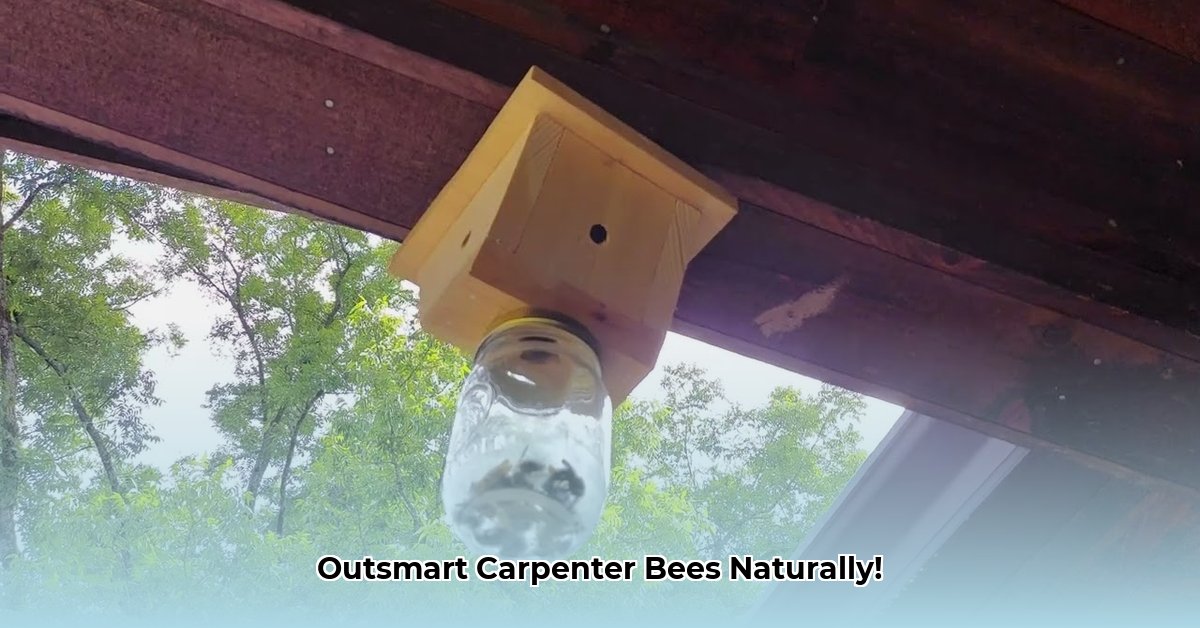
Carpenter bees: helpful pollinators or pesky pests? The truth is, they're a bit of both. These large, fuzzy insects are valuable pollinators, contributing to the health of our gardens and crops. However, their habit of nesting in wood can lead to damage to homes, outbuildings, and even crops themselves. This guide explains how to use carpenter bee traps from Tractor Supply to manage their populations sustainably, without resorting to harmful chemical pesticides. We'll cover trap selection, setup, maintenance, humane disposal, and integration into a broader integrated pest management (IPM) strategy. Let's get started on protecting your property the smart way!
Understanding the Buzz: Carpenter Bees and Their Impact
Carpenter bees are crucial pollinators, visiting diverse plants and contributing to fruit, vegetable, and other plant production. However, their nesting behavior presents a challenge. Female carpenter bees bore into wood to create nests, potentially causing structural damage to buildings and wooden structures. This damage can be both aesthetically displeasing and structurally compromising.
The traditional use of chemical pesticides presents significant drawbacks. These chemicals can harm beneficial insects, disrupt ecosystem balance, and pose environmental and health risks. A more sustainable approach is needed, which is where Tractor Supply's carpenter bee traps offer a practical solution. They provide a targeted method to manage carpenter bee populations while minimizing harm to the environment and beneficial insects. Aren't there less harmful methods to protect our structures and crops while preserving biodiversity? Yes, and this guide will show you how.
Choosing the Right Trap: Finding the Perfect Fit at Tractor Supply
Tractor Supply typically offers a range of carpenter bee traps, each with its own pros and cons. The best choice depends on factors such as the scale of the infestation, your budget, and personal preferences. Here's a comparison of common types:
| Trap Type | Pros | Cons |
|---|---|---|
| Bottle Trap | Simple, inexpensive, easy to assemble. | Less effective; requires frequent emptying and cleaning. |
| Wooden Box Trap | Potentially higher capture rate; can be aesthetically pleasing. | Requires assembly; may need more frequent maintenance and cleaning. |
| Specialized Bee Trap | Often more efficient and durable; may include attractants. | Typically more expensive. |
Before purchasing, reviewing online customer feedback and comparing prices is strongly recommended. Visual aids, such as product images and videos, can significantly aid in your decision-making process. Always carefully read the manufacturer's instructions.
Setting Up Your Trap: A Step-by-Step Guide
Effective trap placement is crucial for success. Follow these steps:
- Strategic Placement: Position the trap near areas of significant carpenter bee activity – observed nesting sites or frequently visited areas. Place it slightly higher than the nesting site to encourage entry.
- Attractant Use: If your trap uses attractants (feromones or other lures), follow the manufacturer’s instructions carefully. Some traps might employ natural attractants such as wood shavings.
- Secure Installation: Ensure the trap is firmly attached or anchored to prevent dislodgement by wind or other factors. Stability is essential for optimal performance.
- Regular Monitoring: Inspect the trap regularly (every few days is ideal during peak activity). This ensures its continued effectiveness and prevents overcrowding. How often should I check my traps for optimal results? Every couple of days is suggested for best results.
Monitoring, Maintenance, and Humane Disposal
Regularly check your trap for effective pest control. Overcrowding reduces effectiveness. When removing captured bees, prioritize humane disposal methods. Rather than killing them, consider relocating them several miles away from your property to a suitable habitat. This requires adhering to local regulations regarding bee relocation. Always clean and reset traps according to the manufacturer’s instructions while avoiding harmful chemicals.
Integrated Pest Management (IPM): A Holistic Approach
Trapping constitutes only one element of a comprehensive IPM strategy. Combining trapping with other sustainable methods enhances effectiveness:
- Natural Predators: Encourage natural predators like spiders and certain beneficial wasps. A diverse and healthy ecosystem supports natural pest control.
- Bee-Deterrent Plants: Research and plant species known to repel bees. This can reduce attraction to buildings and crops.
- Selective Nest Removal: Carefully remove easily accessible nests, but only when safe and feasible. Prioritize minimizing harm to the bees.
A multifaceted approach is effective, sustainable, and promotes a balanced ecosystem. What is the single most important aspect of a sustainable IPM strategy? Utilizing a multi-faceted approach that combines various methods.
Alternatives to Trapping and Considerations
Remember that trapping isn’t a universally effective solution. Factors such as bee population density and environmental conditions influence its success rate. Consider these alternatives:
- Professional Pest Control: Hire professionals specializing in sustainable pest management techniques. They can offer expert advice and targeted solutions.
- Preventive Measures: Seal cracks and crevices in wooden structures to prevent future nesting. This proactive approach reduces nesting opportunities.
While trapping offers a useful tool, it’s crucial to consider its limitations and weigh other sustainable options. Are there any circumstances where trapping is less effective than other methods? Yes, heavily infested areas might benefit more from professional intervention.
Conclusion: Towards Sustainable Bee Management
Tractor Supply carpenter bee traps provide a valuable tool for sustainable pest management. However, combining trapping with other eco-friendly methods yields superior results. This integrated approach allows for the coexistence of beneficial pollinators and the protection of your property. Proactive maintenance, including regular inspections and sealing vulnerable areas, is crucial for long-term success. By adopting these strategies, you can effectively protect your property while preserving biodiversity.